
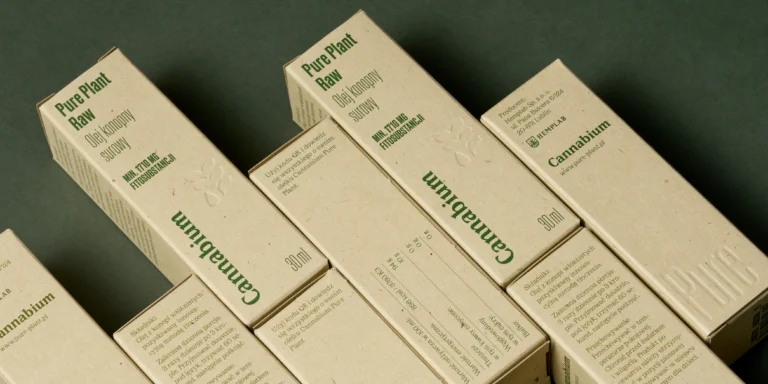
The key to an effective and reputable cannabis brand lies in compliance with Cannabis Labeling Requirements. Consider your label as your silent salesperson, a legal guard, and a safety guide. It assures the regulators that your product is safe, mentors your customers on how to use it, and creates customer confidence in your brand. Unprofessional labeling will cost you fines, recollection, or even a license. Labeling is nailing your reputation, and not only will your business remain in the same position, but it will have earned the trust of the people and stood out among a vast market.
Core Labeling Requirements
Your Weed Packaging Labels is not just a piece of paper your brand is looking at; it is your brand’s introduction, a safety manual, and a legal checkpoint in one. Customers and regulators depend on it, and every detail matters. The following is what a label is all about:
Brand and Product Identity
The brand and product name need to be prominent. Customers should have a clear idea of what they are buying and the type of product: flower, edible, or concentrate.
Branding will be done in a way that does not confuse the stores and also allows regulators to keep track of the products. In the case of vape, customers are more likely to identify their preferred products because of similar naming. Strong branding builds trust and helps people not forget your products.
Net Quantity
Consumers should be aware of the quantities they consume. Labels should be accurate. Regulators have a habit of checking twice, and mistakes of a slight nature can lead to fines or even a recall. Placing the right net quantity will build trust, avoid complaints, and put your business on track.
THC and CBD Content
The information is not just potent, but also safe. At least THC and a small amount of CBD should be printed on your pack. Some states impose requirements by value per serving, whereas others impose requirements by package.
Any figures should come from direct-certified labs. This is because the majority of the information on potency will be correct, thus protecting consumers, preventing abuse, and making your brand honest and responsible.
Ingredient List
For infused products and edibles, everything depends on the ingredients. Arrange them in order of weight. It also shows that your brand is safety-conscious, which is a strong asset with regulators. Any information left out may cost you either in fines or credibility.
Batch or Lot Number
Each product will require a unique lot or batch number. It is not merely a figure, but it is your assurance of traceability. When an occurrence occurs, one can keep track of and remove products affected by the regulators.
In the event of a malfunction, the regulators will be able to monitor and quickly remove the affected products. The numbers must be never reused. This easy action will help get your brand out of big problems.
Testing Lab Information
Any cannabis products should undergo lab tests. The products should have labels indicating the lab that certified the product. Most states also require the lab license number. It demonstrates that your product is safe and of quality. Lacking lab information will halt distribution and damage your brand. Firm lab data creates consumer trust and regulatory confidence.
Important Safety Notes
An alarm is not optional; it is necessary. The labels should be clear in reporting the dangers, e.g., the impairment, delayed and pregnancy dangers.
In most states, the wording and placement are very strict. Your label might not comply with the small-font or changed-text requirements. Putting readable warnings will save your business and your customers fines.
Age Restriction
Most of the cannabis products are adult-only. In nearly all states, the 21+ warning should be made explicit. It has to be exposed and readable. Age labeling will lock underage users out and show regulators and consumers that your brand is responsible, bringing you closer to both.
Manufacturer / Distributor Information
You must place the licensed enterprise that operates the product. Insert the company name, address, and, in some cases, the license number.
It imposes responsibility, ensures product compliance with regulations, and guarantees that customers are in the hands of a reputable, legal supplier.
State Specific Variations
Marijuana Labeling Laws for the different states vary. What is legal in one State cannot be legal in another. One should be in step with ensuring the product’s compliance and trust.
- Universal Symbols: In some states, there is a need to have an easily identifiable cannabis symbol.
- QR Codes: In some states, QR codes must provide direct access to lab reports and safety information.
- Cautions & Design: Font size, wording and position regulations differ.
Conclusion
Your labels do not only contain packaging; they also give quality, safety and trust. Following the Weed packaging Legal Guidelines would also make your products legal, inform customers, and make your brand believable. Labeling must be a priority at all stages to avoid misappropriation of labels. Conform to regulatory requirements, verify all details, and meet all conditions as a legal document.