
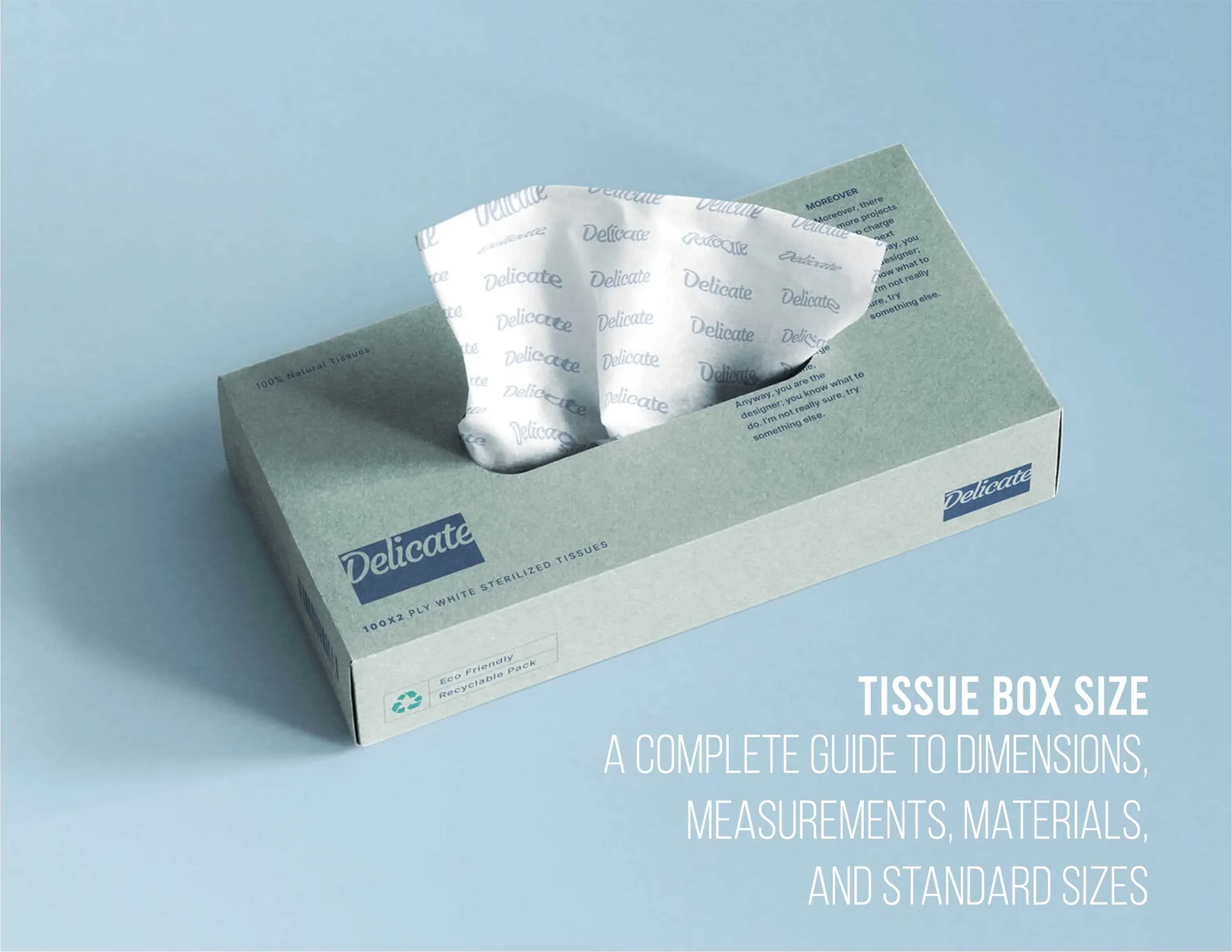
All tissue boxes are intended to contain and provide tissues but can vary in size, dimensions and construction according to their use. The right Tissue Box Size has an influence on storage, tissue dispensing, protection and also on the packaging efficiency. There are a variety of box sizes for different environments based on their usage requirements, including homes, offices, hotels, and healthcare settings.
There is more to buying a tissue box than just looks. The tissue count, size of the paper sheet, strength of the paper and convenience for the user are all factors that manufacturers take into account when designing packaging. Information is available on tissue box standard size, dimensions, materials in tissue boxes and how to choose the right size for your needs.
Why Tissue Box Size Matters
The right size of tissue box improves the functionality, product protection and efficient packaging. Here are the main reasons why it matters.
Improves Everyday Convenience
There is always a tissue box of the correct size at hand and it can be easily stored on desks, counter tops, bedside tables and more. Boxes that have more capacity are better for areas where tissues are used more often.
Supports Smooth Tissue Dispensing
Dimensions of a tissue box affect how tissues are dispensed. A well-designed package will keep its tissues properly aligned so that a single tissue can easily be pulled from the package without ripping or pulling more than one tissue at a time.
Fits Different Usage Environments
The size of the package will depend on the packaging environment. Residential buildings typically utilize standard sized boxes, whereas hotels, offices, hospitals and restaurants select the size according to the space they have and how much tissue they need each day.
Improves Shipping Efficiency
When the manufacture of packaging is concerned, there is a need to create efficient packaging that is easier to handle and store, which can be achieved by proper sizing.
Enhances Retail Display
Standardized boxes facilitate organized retail displays and ease customers’ comparisons. Attractive packaging also leads to better shelf visibility and a better presentation.
The proper size of the tissue box ensures that the user has a better experience and it also facilitates the manufacturing, storage and distribution of the product.
What Is the Standard Tissue Box Size?
The typical size of a standard tissue box is 9 x 4.5 x 3.5 inches. The dimensions, however, may vary due to different tissue counts, sheet sizes, folds and box designs.
These final dimensions are modified based on tissue thickness and packaging needs. These factors will assist the manufacturers when manufacturing boxes that are not only spacious for tissues but can also be easily used.
Tissue boxes come in different sizes, all of which are roughly the same. Manufacturers make size adjustments to minimize waste, optimize packaging and respond to customer requirements.
Tissue Box Dimensions Explained
The dimensions of a tissue box will impact its ability to fit in the box and how well it works when used, stored and displayed.
Let’s look at an average rectangular facial tissue box to see how dimensions work. Specific measurements will differ depending on the brand but a standard size tissue box is around 9″ long, 4.75″ wide, and 3.5″ tall. All of these dimensions have a specific role.
Length
The length is typically 9 inches (folded size of facial tissues). This will keep the tissue stack flat within the box.
If the box is too small, the tissues may bend or crumple, so that it will be hard to pull them out. If the box is too long, it consumes more material and requires more shipping space, but provides no value. The right length will make the tissue neat and convenient to dispense.
Width
Typically the width is about 4.75 inches. It offers sufficient space to ensure a stable stack of tissues and can limit the movement of the tissue stack within the box.
The narrow box can press the tissues, which can be hard to remove. A wider box provides more room for the tissue stack to move when handled, resulting in multiple tissues being ejected when moving the box. The right width will provide smoothness.
Height
The typical size for a tissue box is approximately 3.5 inches tall. But it can vary depending on the amount of tissue within.
A box of 150 or 200 tissues is taller than a box of 80 tissues. The manufacturers make the box taller to accommodate more tissues and at the same time make it easy to store and use.
Why Standard Dimensions Matter
Standard tissue box dimensions are also kept by manufacturers to ensure efficient production and distribution. When boxes have the same proportions, they will stack better in the warehouse and fit more easily into shipping cartons and will make a cleaner retail display.
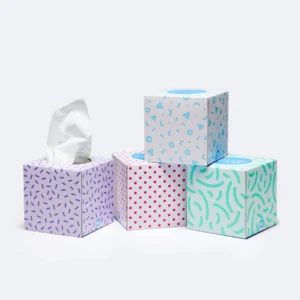
The proportions may vary depending on the packaging style. The length and width of square tissue boxes are nearly the same. They make excellent small space decor for hotel rooms, desks and bedside tables.
Tissue box sizes will vary by brand, but each dimension will contribute to packability, usability and capacity of the tissues. This thoughtful design ensures the box’s usefulness from the get-go all the way to everyday use.
Tissue Box Measurements and Common Variations
No two tissue boxes are alike. Their sizes are determined by the number of tissues, the size of the sheets, the type of folding and the requirements for the packaging. The objective is to maintain the integrity of the tissues while also ensuring that box storage, shipping and utilization are simple.
Tissue Count Changes the Measurements
The amount of tissue inside the box will directly affect the overall size of the box. It takes up less space to store 80 tissues in a box than it does to store 200 tissues in a box. The whole box is adjusted instead of increasing the size of one dimension, to ensure that it remains stable, easy to handle and is the correct shape.
Tissue Thickness Also Makes a Difference
Facial tissues come in varying thicknesses. Premium tissues tend to be thicker and softer than normal tissues, which means that they take up more space in the box. There should be sufficient space between the tissue stack and the box to avoid tissue compression and to provide a smooth tissue dispensation.
Why Measurements Differ Between Brands
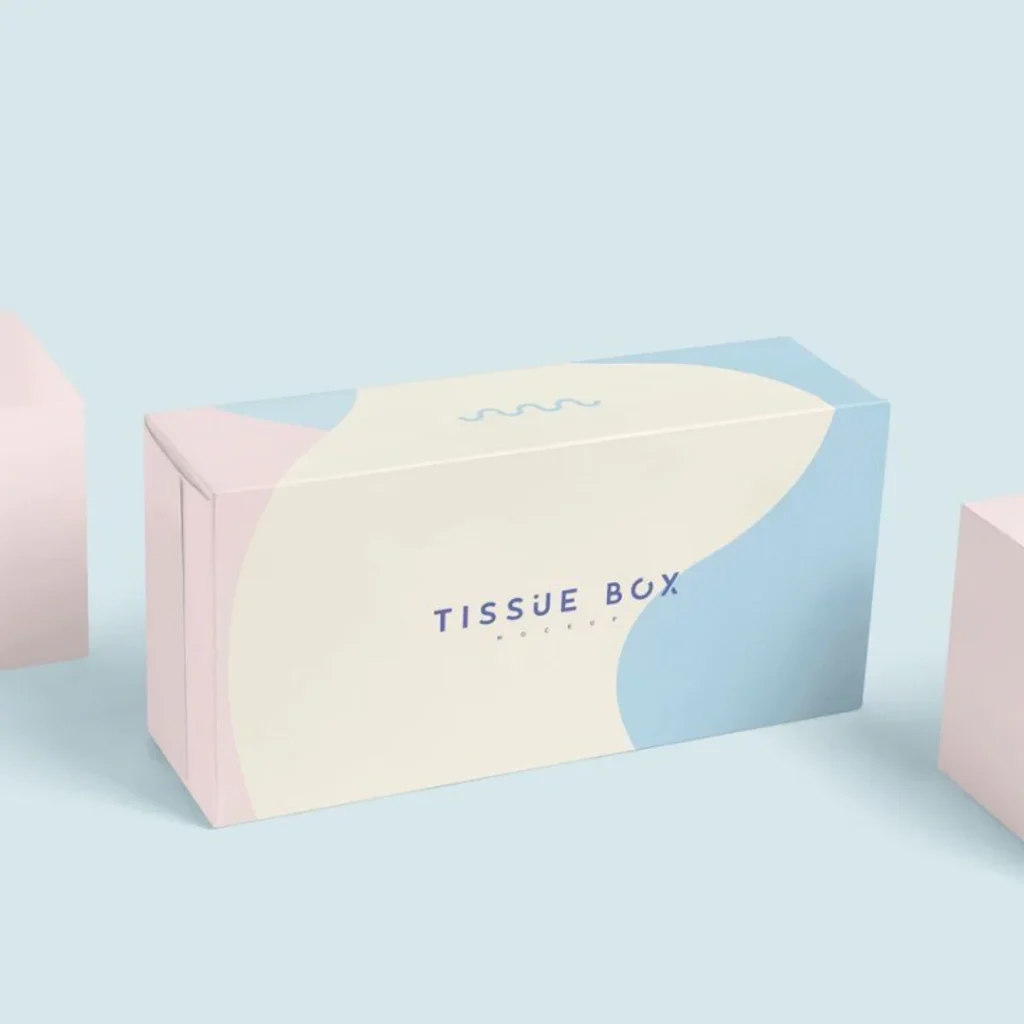
Many wonder, ‘How long is a Tissue Box?’ particularly when buying decorative covers or organizers to store them in. The answer varies according to different brands as each has its own packaging requirements. For instance, the dimensions of Kleenex boxes vary according to the variety and number of tissues. The length of most rectangular Kleenex boxes is approximately 9 inches and the width is 4.5 to 5 inches while the height is 3 to 4 inches.
The dimensions of most rectangular tissue boxes are the same. This will help them to retain tissues without adding extra space. Small boxes make for personal use. Box sizes are suitable for offices, hotels, hospitals, and areas of heavy traffic.
Square Tissue Box Size vs. Rectangular Tissue Box Size
The decision of choosing a tissue box between square and rectangular is based on the space available, the capacity of the tissue and the intended use of the box. The differences highlighted in the table below are the main differences between the two packaging styles.
Feature | Square Tissue Box | Rectangular Tissue Box |
Size | Compact design | Longer design with more space |
Best Placement | Bathrooms, desks, bedside tables | Homes, offices, hospitals |
Space Efficiency | Saves surface space | Needs more space |
Tissue Capacity | Holds fewer tissues | Holds more tissues |
Appearance | Premium and decorative look | Simple and practical look |
Ideal Use | Small or stylish spaces | High-use areas |
Both designs work well. For a small area, a square tissue box is a good option. A rectangular tissue box is bigger for homes, workplaces, and other busy places.
Different Tissue Box Sizes and Their Applications
Based on the tissue’s purpose, various tissue boxes are manufactured in various sizes. The correct size is dependent on space, tissue use, and application.
Compact Tissue Boxes
Compact tissue boxes work well in personal areas, like on the office desks, at the bedside table, in the car, or even in the bathroom. They are also smaller in size, making them easy to install in confined spaces.
Medium Tissue Boxes
In-house use, medium-sized boxes are frequently utilized since they are a great compromise between size and usability. They can be used in daily life in the living room, kitchen, bedroom, dining room, and other places.
Large Capacity Tissue Boxes
Large boxes are used for areas where tissues are needed more often like offices, hospitals, schools, restaurants, and airports. They have a greater capacity, which means that they don’t need to be replaced often.
Decorative and Commercial Applications
Hotels, luxury resorts, and shops select the sizes of the boxes in line with their space and display requirements. The right size will enhance the product’s appearance, replenishment, and storage.
Understanding the Volume and Surface Area of a Tissue Box
The volume of a tissue box and the surface area of a tissue box determine its capacity, the amount of tissue used, and the overall efficiency of the design.
Why Volume Matters
When tissue boxes are used, the size of the box will dictate the amount of space inside the box that will be available for placing the tissue stack. A box designed for 120 facial tissues requires a greater amount of inside volume than a box that is designed for 80 tissues. When the volume is too small, the tissues will become tightly packed and will be easy to remove. If it is too big, it moves around within the box during handling, resulting in inconsistent dispensing without unnecessary space.
Why Surface Area Is Important
The surface area of a tissue box represents the amount of material used in creating a tissue box. It also determines the amount of space provided for printing. If two boxes are the same size and can contain the same number of tissues, then the larger box will require more paperboard, ink and space. The surface area is optimized to minimize costs while providing space for branding, details and design.
Balancing Volume and Surface Area
The most successful tissue boxes have an optimum relationship between the inside and outside volume. Packaging is still efficient but the proper placement of tissue has been enabled and handling is easy. Just a few of these measurements can make a difference in efficiency without altering the amount of tissue in the box.
Materials Used to Make Tissue Boxes
A tissue box’s material influences its protective capability, printability, strength and appearance. The choice of material depends on the function, design and use of the box.
Cardboard
One of the most popular materials used to make a tissue box is cardboard. Strong, inexpensive, and customizable. Gives shape stability to the box in storage and in transportation. It is also smooth, ideal for adding logos and colors, as well as for printing product information.
Paperboard
A smooth and clean surface is paperboard’s preferred material for top quality tissue boxes. It facilitates print quality that yields beautiful prints and colour output. Applicability for home, hotel, office and retail packaging applications, where the appearance plays a significant role.
Kraft Paper
Kraft paper is a natural, durable and environmentally friendly paper. Ideal for brands that are looking for sustainable packaging with the same durability. Kraft tissue boxes offer dependable protection along with a simple and natural look to products.
Corrugated Board
For additional strength, corrugated board is used. In shipping and storage, it has a layer structure, which is beneficial for the tissue boxes to withstand pressure. Good for mass packaging when a higher degree of protection is needed.
Effective packaging involves more than just the packaging itself; proper exterior wrapping is required to ensure that bulk packages are protected. Most packaging departments depend on cloth tape suppliers to provide tough wrapping materials for large master cartons and carton edges. The additional protection provided by cloth tapes helps keep cases tightly sealed from environmental elements.
Recycled Paperboard
Using recycled paperboard is a good sustainable packaging option. It delivers decent strength, print quality and assists brands in cutting waste.
How Manufacturers Choose the Right Tissue Box Size
The size of a square tissue box depends on the manufacturer, the number of tissues in the box, packaging requirements, storage, and use. The aim is to develop a box which will provide protection for tissues and will be easy to make, ship and handle.
Tissue Capacity and Thickness
Box size will vary according to the number and thickness of tissues. Thicker tissue sheets and more tissue per count require more internal space to avoid tissue compression.
Storage and Shipping Needs
Manufacturers make square tissue box dimensions that are appropriate for the dimensions of the warehouse, carton, and retail display.
Usage Requirements
Final size will depend on the location of the box. Depending on the size of the office or hospital, it might be necessary to use bigger capacity boxes, while in homes and hotels it might be more suitable to use a smaller box. Practical sizing is the size of something that fits easily into practical places and allows the item to be used comfortably, such as the size of a Kleenex box.
Through these balances, manufacturers are able to develop tissue boxes which are more functional, efficient and convenient.
Choosing the Right Tissue Box for Your Needs
When selecting a tissue box, the first consideration is the place and purpose for its use. When it comes to the right size, material and design, there are many aspects to consider that will make things more convenient, less wasteful and also ensure the packaging is what you need for your daily use.
Step 1. Consider Where the Tissue Box Will Be Used
The first step is to determine where it is most likely to be found. Compact boxes are suitable on side tables, office desks, bathroom counters, medium boxes on living rooms, kitchens and other areas of heavy use, large boxes on hallways, laundry rooms or any room with a high volume of use.
Step 2. Estimate Daily Tissue Usage
Select a box according to the amount of use that is made of tissues. Personal use would be better done via a smaller box, while households, offices, restaurants, and healthcare facilities can use a larger capacity box that will need fewer replacements.
Step 3. Select the Right Material
The material should be adapted to the use. Cardboard and paperboard are the best materials for daily retail packaging applications. One material that can be used for eco-friendly packaging is kraft paper. Corrugated board is used for extra protection when shipping and storing in bulk.
Step 4. Check Storage Space
When purchasing a tissue box, ensure it fits the space! If you are using a tissue box cover or organiser, check how big it is compared to the tissue box so it fits.
Step 5. Consider Design and Branding
For a hotel, office, retail store or reception, select the packaging that matches the environment. Printing that is legible and consistently branded is beneficial for businesses in creating a professional appearance.
All these criteria will make sure that you select a box that suits your everyday needs, and gives you the ideal balance of convenience, durability, and functionality.
Conclusion
The tissue box should be properly sized, made of the right material, contain a sufficient number of tissues, and have a function. The right dimensions and the standard tissue box size aid in creating easier-to-use, store and display packaging.
Custom packaging boxes provide a business with an opportunity for customization by using unique size, shape, finish and material to improve brand visibility. In order to achieve this, it is important for a company to select the appropriate packaging solution that will enable it to meet the needs of its customers and present a professional product.
Frequently Asked Questions
Which tissue box will fit most easily in a small space?
Compact spaces are best suited to square or small boxes of tissue. Perfect for a bathroom counter, bedside table, office desk or small spaces.
How can I find out how big a dispenser or cover I need?
Try the cover or dispenser on your tissue box before purchasing. Measure the size of the box. Be sure to fit the cover properly.
How big is the average size of a tissue box?
Most standard size of tissue boxes are about 9 inches long, 4.5 to 5 inches wide and 3 to 4 inches tall. Sizes are, however, brand, tissue count and packaging design dependent.
How do you measure the length, width and height of a box?
Use a flat surface to rest the box and a ruler or measuring tape. For length, measure the longest side, for width measure the shorter side, and for height measure from bottom to top.